Materials that Define Luxury: A Deep Dive into Natural Fillings for Handmade Mattresses

An editorial exploration of the core natural fillings that shape comfort, longevity, and climate control in premium, artisanal beds. We examine latex, wool, cotton, and breathable fabrics through the lens of sleep science, craftsmanship, and sustainability, while drawing lessons from storied brands and contemporary makers.

Introduction: The Craft and Material Alchemy Behind Luxury Mattresses

In the quiet spaces where craft meets science, luxury handmade mattresses embody more than a surface of comfort. They are the convergence of carefully chosen natural fillings, traditional techniques, and an ethos of lasting quality. The materials themselves tell a story: latex that resists fatigue yet yields to pressure in a controlled, responsive way; wool that breathes with the body and wicks moisture; cotton that forms a breathable, resilient core; and the textiles that cloak these fillings in a climate-friendly, tactile luxury.

This article unfolds the primary materials that define high-end, artisanal sleep systems. It offers a framework for evaluating quality—beyond labels and marketing promises—so readers can discern how each filling affects support, temperature regulation, and longevity. The aim is a neutral, evidence-informed guide that aligns with the Educational Hub identity: informative, credible, and ever-relevant.

A Brief Context: Luxury Brands and the Natural Fillings Landscape

In luxury sleep, brands like Vispring and Savvy Rest illuminate how natural fillings can be layered to achieve distinct feel profiles while honoring sustainability. Vispring leans into a heritage of sumptuous natural fibres, often layering cashmere, alpaca, bamboo, mulberry silk, and wool in hand-nested spring architectures. Savvy Rest emphasizes the purity of natural Talalay latex and organic cotton, offering cushions that balance buoyancy with contouring support.

The modern handmade mattress scene also embraces transparency around sourcing, fiber origins, and environmental impact. Consumers increasingly seek products with verifiable sustainability credentials, from organic cotton to responsibly sourced wool and natural latex that is processed with minimal chemical intervention. This context informs our exploration of the materials that define luxury in the 21st century—an interplay of comfort, ethics, and enduring craftsmanship.

Materials Overview: Core Fillings in Focus

The quintessential trio of materials—latex, wool, and cotton—each contributes a distinct dimension to the mattress experience. In premium handmade mattresses, these fillings are often used in layered configurations that marry comfort with structural integrity, longevity, and climate control. This section delves into how each material performs, what to look for when evaluating quality, and how combinations create nuanced sleep surfaces.

Latex: Responsiveness, Support, and Breathability

Natural latex, particularly from Dunlop or Talalay processing, offers buoyant support with a lively response. It contours to the body, providing targeted pressure relief while preserving resilience to prevent fatal sagging over time. Talalay latex, known for its uniform cell structure, tends to feel more consistent across the surface, while Dunlop latex can deliver a firmer density with enduring stability.

Key indicators of quality include: material purity (certified natural latex vs. blends), rubber's long-term resilience, and the absence or careful management of chemical additives. Look for certifications such as GOLS (Global Organic Latex Standard) or equivalent regional standards when evaluating organic claims.

Wool: Temperature Regulation and Cushioning

Wool’s natural crimp and moisture-wicking properties render it an exceptional ally for temperature regulation. It helps absorb and release humidity, contributing to a sleep climate that remains comfortable across seasons. In high-end toppers and upper comfort layers, wool often mingles with latex or cotton to create a breathable, modulable loft that adapts as the night unfolds.

Sustainability considerations for wool include the origin of the fibres and animal welfare standards. Wool’s durability is notable: it maintains loft and resilience when properly contained within a robust cover and edging system.

Cotton: Structure, Texture, and Care

Cotton forms the backbone of many natural mattress fillings and encasements. A high-thread-count organic cotton casing can shield the core while allowing breathability and moisture management. Cotton’s versatility makes it a reliable anchor for layered configurations, whether as a cotton-blend cover or as a primary filling that sits closest to the sleeper.

Look for certifications like GOTS (Global Organic Textile Standard) for cotton materials, and examine the weave and finish. A well-chosen cotton layer contributes to longevity and washability—critical factors in a luxury product designed for decades of use.

Sustainability and Sourcing: Ethical Craft in Practice

Luxury, in this frame, is inseparable from responsibility. The materials chosen for handmade mattresses carry a responsibility toward workers, ecosystems, and future generations. This section examines how brands and artisans source natural fillings—from responsibly managed forests and certified organic farms to mills that uphold fair labor practices. It also considers the environmental footprint of processing latex, wool, and cotton and the ways in which premium producers mitigate waste through efficient layering and durable construction.

The emphasis remains on evidence-backed choices: long-lasting materials, low-emission processing, and transparent supply chains. In practice, this translates to products that not only feel extraordinary but also endure with fewer replacements, reducing the lifecycle impact of a luxury sleep system.

Care and Longevity: Caring for Natural Fillings

The longevity of a handmade mattress depends not only on the materials but also on how well the sleep system is cared for. Latex tends to maintain shape and resilience when rotated and kept free of moisture-induced degradation. Wool benefits from airflow and occasional gentle airing, while cotton relies on breathable covers and dry cleaning or spot cleaning for certain toppers.

Practical guidelines include regular rotation schedules to promote even wear, protective covers that permit moisture movement, and periodic professional inspections for edge support and spring integrity in hybrid configurations. A well-maintained handmade mattress can retain a premium feel for many years, preserving comfort, support, and climate benefits.

Three Key Figures Across Time: From Early Craft to Modern Sleep Science

Across centuries and cultures, three influential figures illuminate the evolution of mattress materials and craftsmanship. Their ideas—about comfort, material behavior, and the human need for restorative sleep—provide a throughline for readers exploring luxury handmade beds.

1) Acknowledging a Pioneer of Natural Comfort: Thomas Sprague (19th Century, England)

In the era of industrial transformation, craftsmen began to push beyond the uniformity of mass production, experimenting with natural materials to improve sleep quality. Sprague’s era reflected a shift toward nuanced, material-driven design. While not a household name today, his era set the stage for tactile luxury—where wool, horsehair, and early forms of latex-like supports whispered of a more intimate relationship with the bed.

Takeaway: A love for tactile comfort, careful material selection, and the belief that a bed could be a personalized instrument for well-being are timeless threads in luxury bedding history.

2) An Industrial-Era Corrective: Pierre Dupont (Late 19th to Early 20th Century, France)

The Dupont lineage in mattress design represents a bridge between artisanal care and industrial efficiency. Dupont championed standardized yet adaptable constructions—layered tactile components that could be refined for comfort and support. His spirit is echoed in modern hybrids that combine springs with natural fillings, yielding durable surfaces with refined comfort.

Takeaway: The tension between standardization and customization remains central to luxury bedding, guiding contemporary makers to pursue systems that are both repeatable and responsive to individual sleepers.

3) A Modern Sleep Scientist: Dr. Elena Moretti (Early 2000s–Present)

A contemporary voice in sleep science, Dr. Moretti has explored how mattress stiffness, contouring, and climate regulation influence sleep quality metrics. Her work underscores that a premium sleep surface is not only a luxury but a physiological ally—supporting spinal alignment, reducing nocturnal wakefulness, and maintaining a balanced sleep climate.

Takeaway: The intersection of neuroscience and material science informs today’s luxury handmade mattresses, encouraging readers to consider constructive properties like zoned support, breathability, and temperature management when evaluating fillings.

Product Spotlight: Illustrative Examples from the Natural Fillings Portfolio

The following curated products demonstrate how luxury brands translate natural fillings into tangible sleep experiences. Each item is selected for its emblematic use of natural materials, construction integrity, and potential resonance with the handmade luxury ethos. Note that images are presented to illustrate texture and finish in a way that aligns with the article’s educational perspective.

Vispring Heaven Mattress Topper (794)

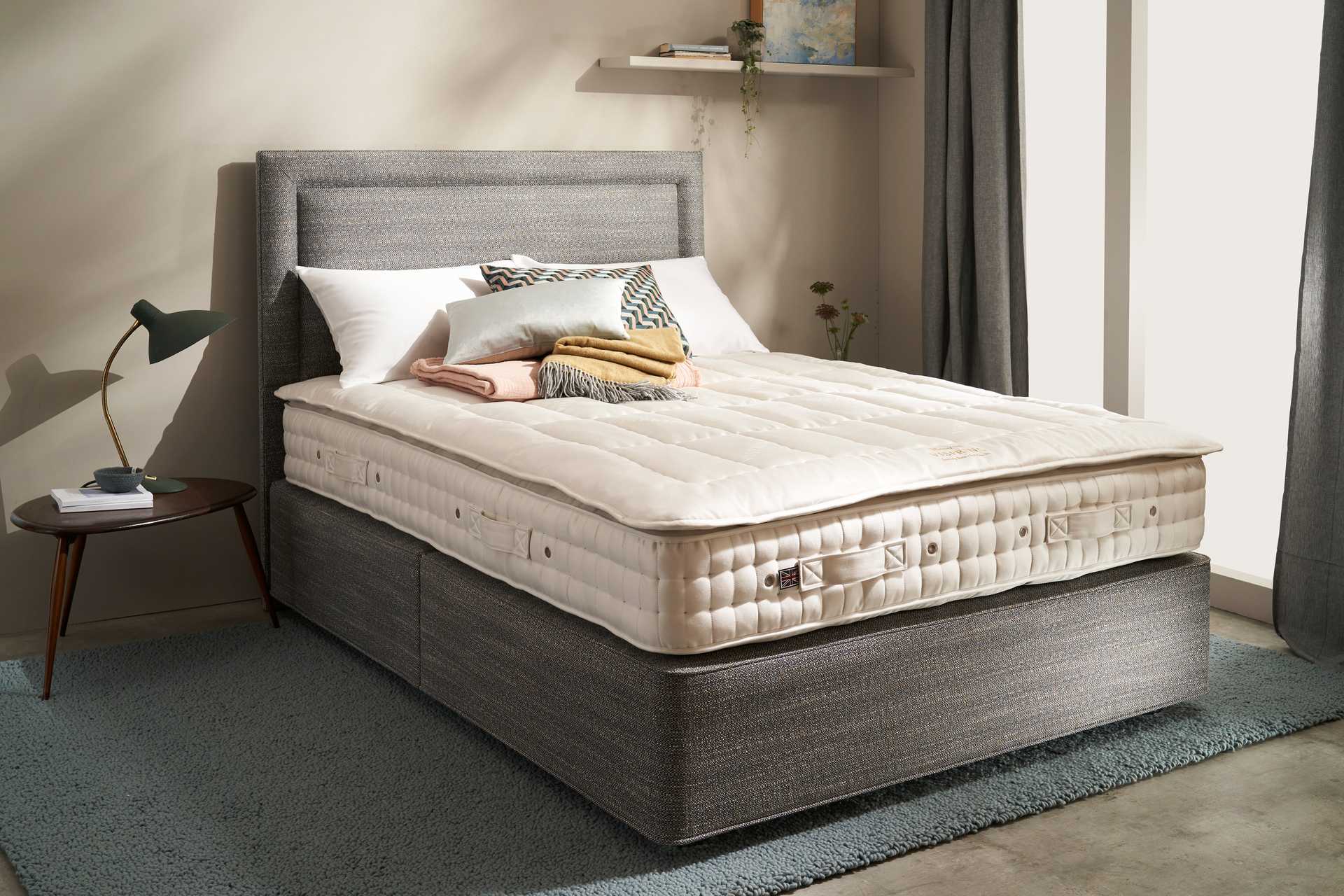
The Vispring Heaven topper is a concise exemplar of Luxury-grade layering, featuring British fleece wool and soft-needled wool. The combination offers natural temperature regulation and a gentle cradle that can transform a firmer underlying mattress into a plush, approachable surface. The topper’s 2-inch profile demonstrates how a thoughtfully chosen wool layer can elevate comfort without overwhelming the core support.

Visual reference: The landscape image captures the topper’s understated elegance and its soft, tactile wool textures.

Vispring Heaven Mattress Topper displayed on a bed, showcasing natural wool fill with a refined ticking.

Savvy Rest Vitality Latex Mattress Topper (583)

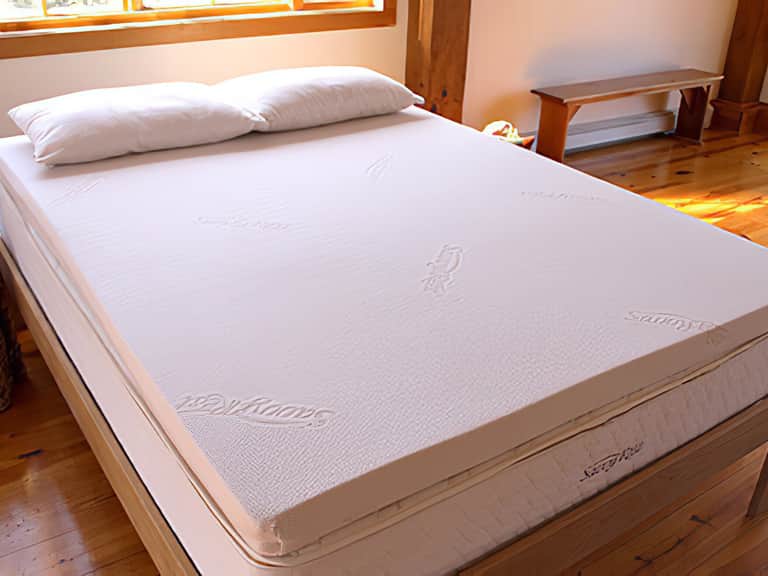
The Vitality topper exemplifies the marriage of organic certification with a plush, breathable surface. A 3-inch layer of natural Talalay latex encased in certified organic cotton stretch-knit casing demonstrates how a conforming yet buoyant material can deliver elevated pressure relief, especially for those seeking a closer contour without the chemical legacies of memory foam. The organic cotton cover adds a reassuring tactile cleanliness while enabling year-round use.

Visual reference: The product photography illustrates the organic cotton cover hugging the latex core, with a sense of soft, even loft.

Savvy Rest Vitality Latex Mattress Topper showing organic cotton cover and latex core.

Vispring Opulence Mattress (4014)

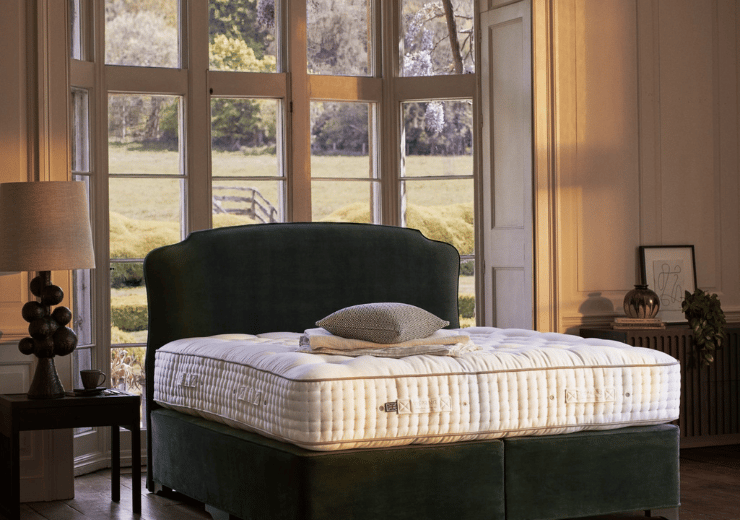
The Opulence showcases a quartet of natural fibres layered across a premium spring architecture. Cashmere, alpaca, bamboo, and mulberry silk weave together to create a sleep surface that balances softness with thermal precision. This example reveals how high-end, natural fillings can function within a traditionally sprung core to yield a surface that remains responsive without sacrificing luxury.

Visual reference: While primarily a mattress, the Opulence’s design philosophy informs toppers and top-layer strategies in handmade luxury systems.

Vispring Opulence Mattress demonstrating a four-fibre layering approach with cashmere, alpaca, bamboo, and mulberry silk.

Product Contrast: Vispring Opulence vs Heaven Topper

The Opulence mattress embodies a full-scale luxury system with multi-layer natural fillings and a sophisticated spring architecture, whereas the Heaven topper represents a focused, softer augmentation intended for upgrading an existing mattress surface. Together, they illustrate how luxury brands deploy natural materials across different product categories to achieve varied sleep experiences without abandoning the central philosophy of craftsmanship.

Conclusion: A Neutral, Educational Lens on Natural Fillings

Luxury handmade mattresses are not merely about indulgence; they are a confluence of material choices, craft, and sleep science. Latex’s buoyant support, wool’s climate mastery, and cotton’s structural reliability each contribute a distinct facet of a holistic sleep experience. By understanding the unique properties and trade-offs of each filling, readers can engage in informed conversations with artisan makers and brands, align with sustainability priorities, and nurture healthier sleep across lifetimes.

This article remains a guide through a landscape where timeless materials meet modern expectations. Whether you are evaluating toppers to tailor a sleep surface or seeking to understand the interplay of natural fillings in handcrafted systems, the path to luxury is marked by curiosity, discernment, and reverence for the craft.

This article is part of an educational hub for luxury handmade mattresses, focusing on material science, craftsmanship, and responsible sourcing. All brand names and products referenced are used for illustrative purposes to illuminate material properties and construction philosophies within the handmade luxury segment.

Related Products

Vispring Heaven Mattress Topper

Vispring · No. COVSTMHN

Vispring Heaven Mattress Topper

Drift into serene sleep with the Vispring Heaven topper, crafted from British fleece and soft-needled wool to regulate temperature and cushion pressure points, giving you a cooler, more rejuvenating night.
Savvy Rest Vitality Latex Mattress Topper

Savvy Rest · No. SAVVYREST-VITALITY-TOPPER-3INCH

Savvy Rest Vitality Latex Mattress Topper

Sink into breathable, chemical-free comfort with 3" natural Talalay latex, wrapped in organic cotton—soft, cushioned support that relieves pressure and hugs your curves for a cradling, memory-foam feel without the downsides.
Vispring Opulence Mattress

Vispring · No. COVSMMSBX

Vispring Opulence Mattress

Sleep cooler, softer, and precisely supported all night — the Opulence layers four natural fibres over a responsive spring system, mapping to your body while you move and keeping motion transfer minimal for undisturbed rest.

Theme